
Solar PV Industry Solution
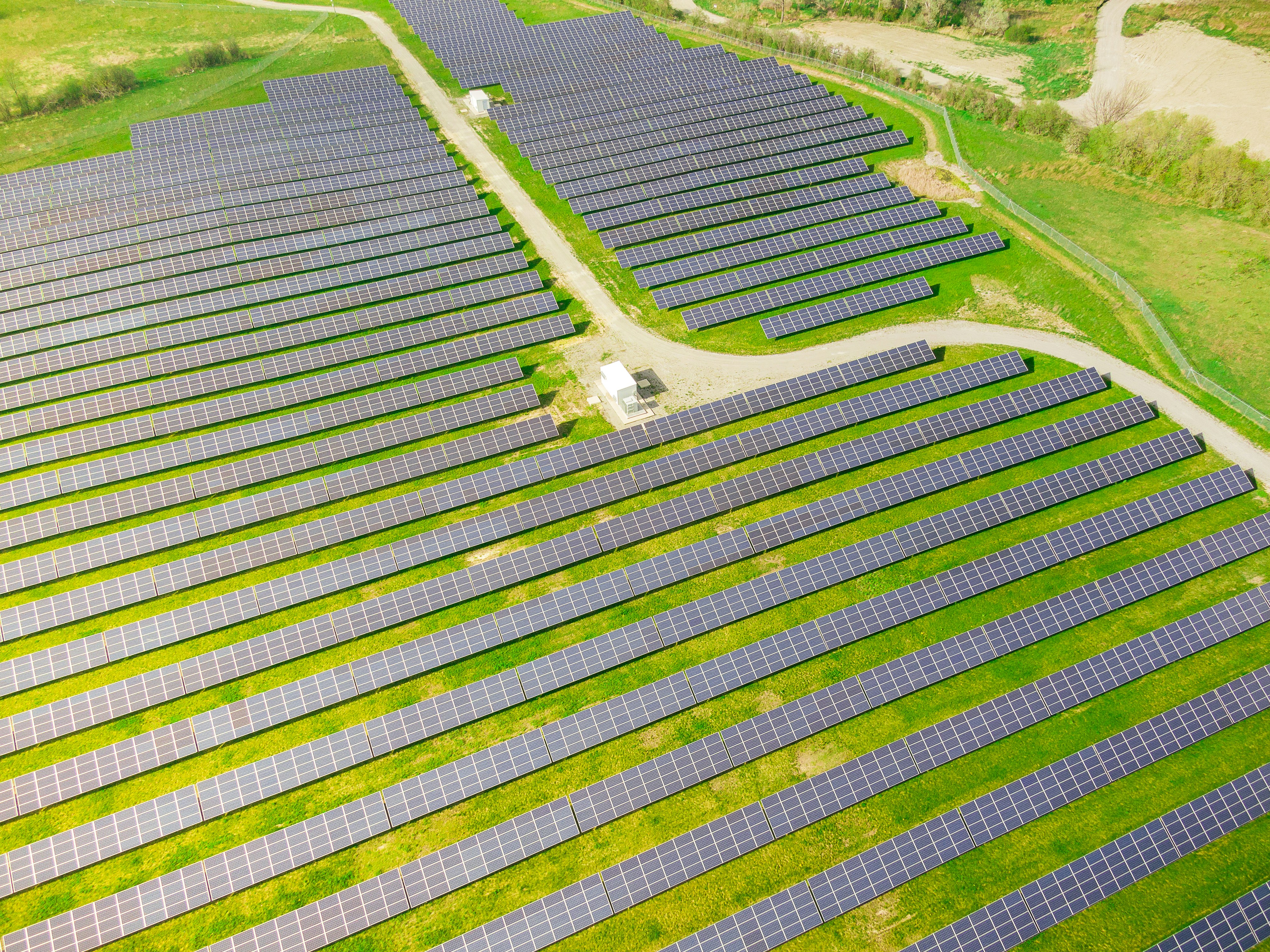
Smart Solar Monitoring: Making Energy Smarter
Solar power generation efficiency is closely linked to solar irradiance, temperature, dust accumulation, and wind conditions.
Traditional manual checks cannot track rapid weather changes or predict performance fluctuations.
Smart solar monitoring systems combine radiation, meteorological, and temperature sensors with cloud-based analytics, providing real-time visibility, intelligent alarms, and predictive maintenance.
Advantages of Smart PV Monitoring
1️⃣ Comprehensive environmental visibility
2️⃣ Data-driven efficiency optimization
3️⃣ Automatic alerts and predictive maintenance
4️⃣ Flexible integration and long-term reliability
Smart Solar Monitoring Solutions for PV Applications
Empowering Solar Operations with Environmental Intelligence
Sun Weather’s Solar Environmental Monitoring System integrates high-precision radiation, meteorological, and temperature sensors to continuously measure global and diffuse solar radiation, ambient temperature and humidity, wind speed and direction, rainfall, PV-module back-panel temperature, and surface dust.
Each monitoring node transmits real-time data to the cloud platform, where operators can visualize key parameters, analyze variation trends, and quickly detect anomalies.
This enables maintenance teams to optimize generation efficiency, reduce performance losses, and lower operational costs.
The system features a modular design supporting solar power supply, wireless communication, and remote diagnostics, ensuring stable operation even under harsh environmental conditions.
By combining on-site monitoring with intelligent data analysis, Sun Weather helps PV power plants achieve digitalized, predictive, and sustainable energy management.
Integrating Innovation into Solar Performance Management
Sun Weather integrates IoT communication and intelligent data analytics into solar performance management.
The system connects monitoring sites and sensor nodes via wireless networks, transmitting real-time radiation and temperature data to the cloud. Operators can view dashboards, analyze performance curves, and receive alerts based on defined thresholds.
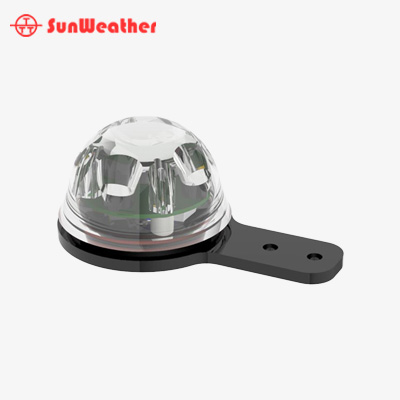
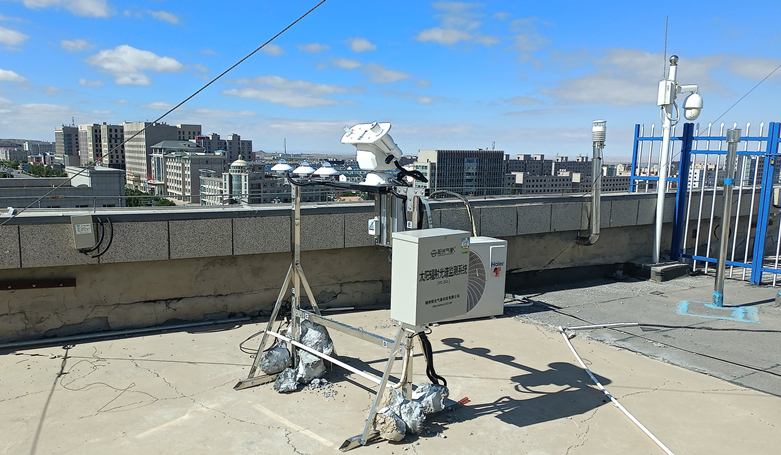
Equipped with an All-Sky Imager featuring image recognition, the system intelligently tracks cloud cover and solar obstruction, supporting irradiance forecasting, power prediction, and O&M decisions.
It can operate independently or be integrated with existing PV monitoring systems, enabling centralized management of environmental and electrical data for smarter and more efficient solar operations.
Core Sensor Technologies for Solar PV Monitoring
01 Solar Radiation Sensors
Solar radiation is the most critical factor influencing PV system performance.
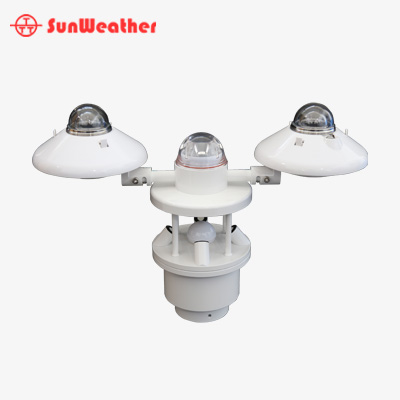
Sun Weather provides a complete portfolio of radiation monitoring instruments, ranging from standard pyranometers and diffuse radiation sensors to advanced optical systems. Together, they enable precise measurement of global, diffuse, and direct radiation, analysis of aerosol optical depth (AOD), and real-time assessment of irradiance loss caused by dust or cloud coverage.
Such comprehensive data support PV performance evaluation, solar resource assessment, and atmospheric research.
Typical sensors and instruments:
TBQ-2 Pyranometer · TBD-1 Diffuse Radiation Sensor ·TBS-YG5 Automatic Sun Tracker · TBS-4 Automatic Sun Photometer · TBK11 All-Sky Imager · TBQ-2WX Solar Radiation Calibrator · TBS-3 Fully Automatic Solar Direct Radiation Tracking Meter
02 Meteorological Sensors
Meteorological conditions directly influence solar module efficiency and system stability.
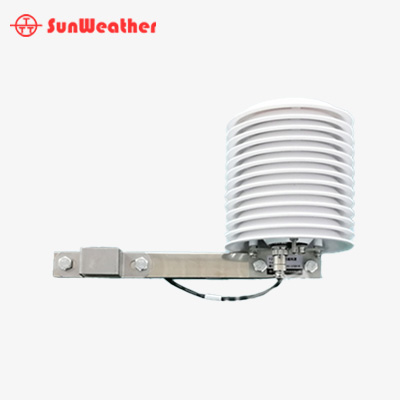
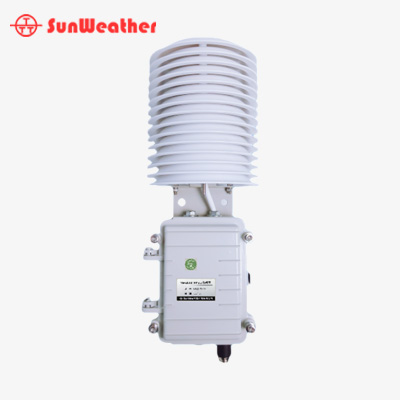
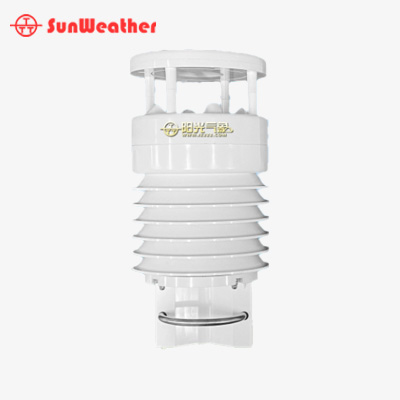
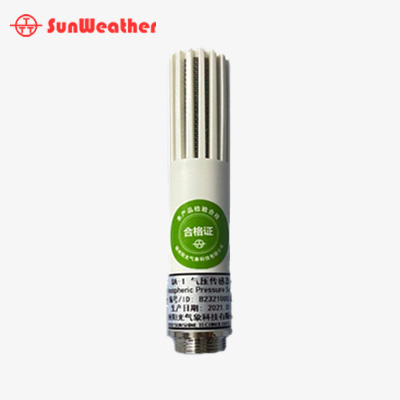
Sun Weather provides a comprehensive range of temperature, humidity, wind speed and direction, rainfall, and pressure sensors to evaluate environmental impacts on PV performance.
All sensors are designed for long-term outdoor operation, featuring corrosion resistance, low maintenance, and fast response.
They can be seamlessly integrated into PV monitoring stations for real-time environmental correlation analysis.
Typical sensors include:
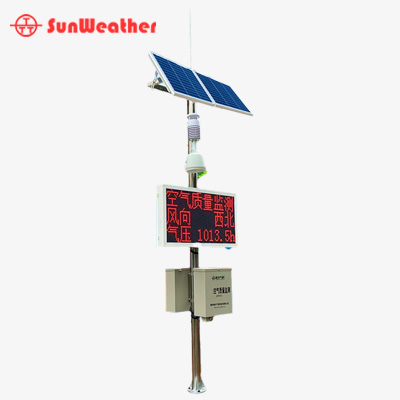
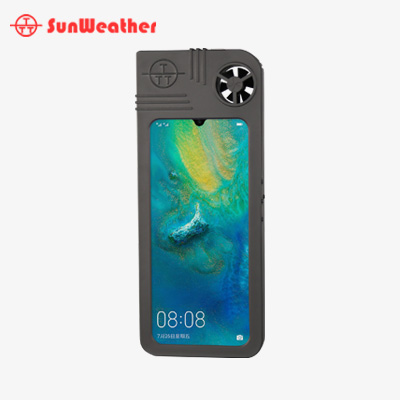
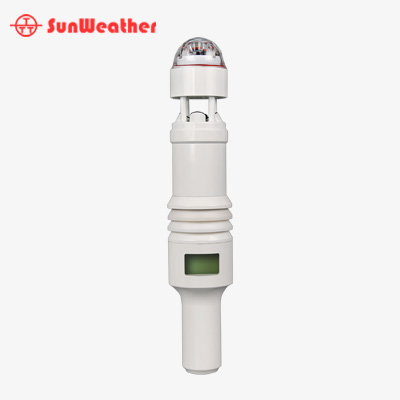
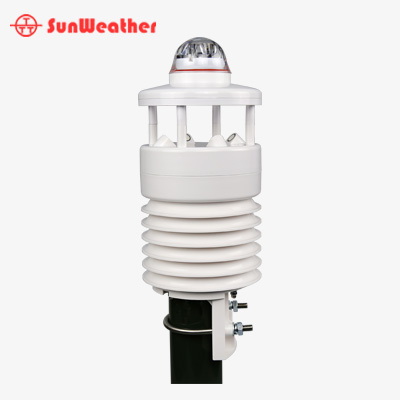
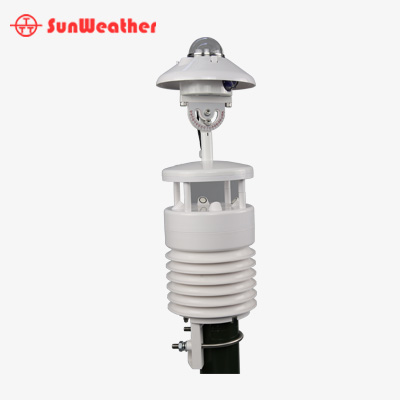
YG-WSD Temperature and Humidity Recorder · PC-4GF Integrated Photovoltaic Environmental Monitoring Instrument · PC-5GF Distributed Photovoltaic Environmental Monitoring Instrument · PC-8 Integrated Weather Station · TRM-GPS5 Handheld Weather Station · TRM-GPS6 Handheld Network Weather Station
03 Wind Power Monitoring Instruments
Wind conditions are key factors influencing both wind turbine performance and the structural safety of PV systems.
Sun Weather provides professional wind power monitoring instruments capable of accurately measuring wind speed, direction, and three-dimensional wind characteristics. These instruments are widely used for wind turbine performance evaluation, operational safety monitoring, and environmental wind analysis. All devices support real-time data transmission to cloud platforms, enabling continuous monitoring and long-term resource assessment.
Each sensor adopts industrial-grade protective design, ensuring stable operation under coastal, desert, or high-altitude conditions.
Typical instruments include:
EC-A2 Ultrasonic Wind Speed & Direction Sensor · EC-A6 3D Ultrasonic Wind Sensor · EC-9SA Cup Anemometer · EC-9XA Wind Vane Sensor · EC-8SX Integrated Wind Sensor · TRM-ZS4 Environmental Gradient Station · PC-2F Multi-Channel Wind Monitoring Station
04 Environmental & Dust Monitoring Sensors
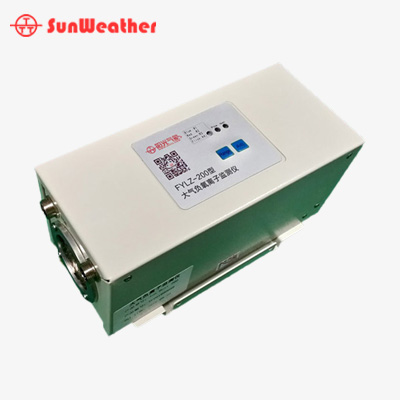
Dust and air quality play a vital role in solar performance.
Sun Weather’s Dust Monitoring System measures airborne particles and surface soiling, helping operators understand how dust affects irradiance and power output.
It supports cleaning schedule planning and performance evaluation for PV plants, especially in dusty or desert regions.
Typical sensors include:
YGF-2 Dust Monitoring System· PM2.5/PM10 Sensor · NJD-6 Weather Phenomena Visibility Sensor
05 Integrated PV Environmental Monitoring Systems
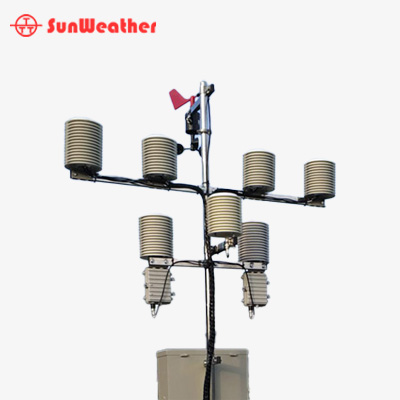
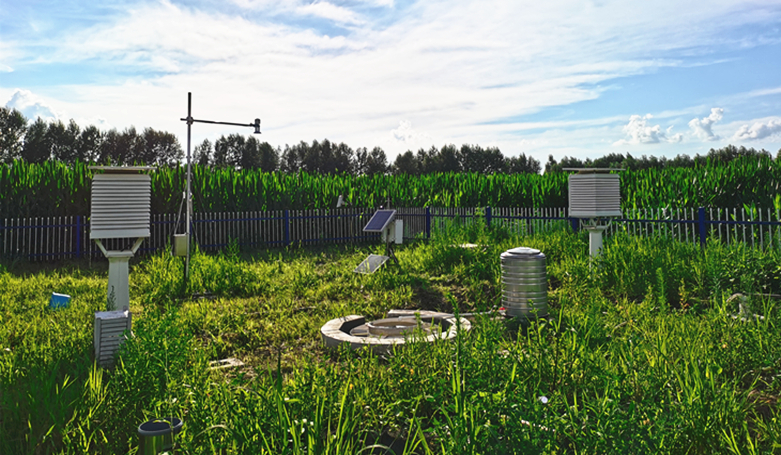
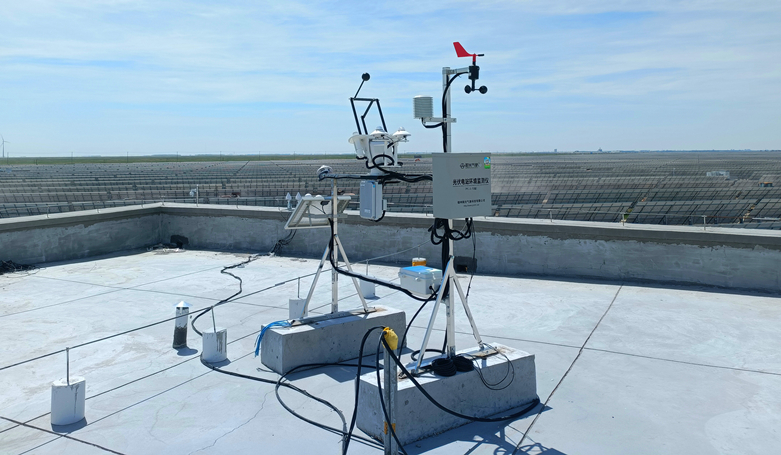
Sun Weather integrates radiation, meteorological, temperature, dust sensors and PV back-panel temperature into modular PV environmental monitoring systems.
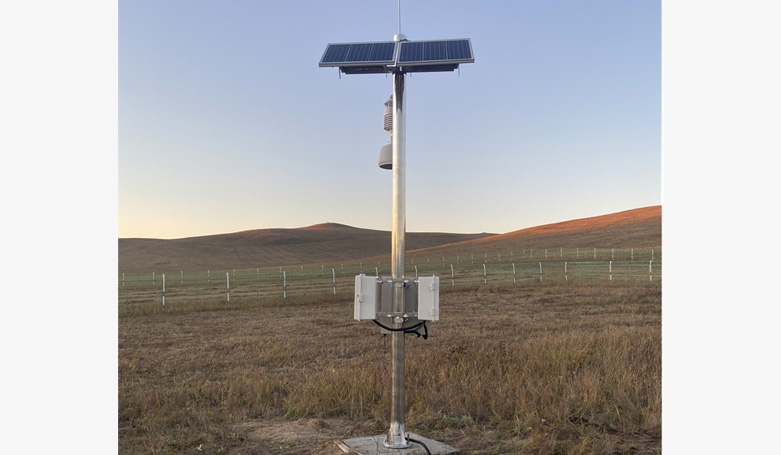
Each system includes a data logger, wireless communication, and solar power supply, enabling real-time monitoring, remote data access, and automatic alarm functions.
It can operate independently or be integrated with SCADA or PV performance platforms, providing a complete environmental insight for PV farms, rooftops, and research sites.
Typical configurations include:
PC-2-T2 PV Environmental Monitoring Station · PC-4 Photovoltaic Power Plant Environmental Monitoring System · PC-6 Portable Automatic Weather Station
LEAVE A MESSAGE
Just tell us your requirements, we can do more than you can imagine.
