
Smart Agriculture Industrial Solution
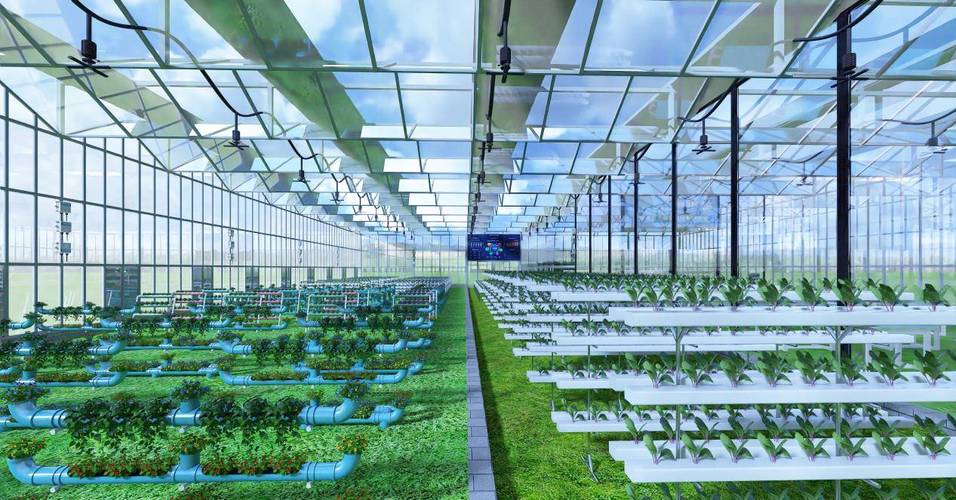
Smart Agriculture: Making Farming Smarter
In the past, farming relied heavily on experience and weather observation. Farmers decided when to sow, irrigate, or fertilize based on intuition. But such traditional methods often led to uncertainty-affected by changing climate, soil variations, or pest outbreaks.
Now, with the help of sensors, IoT, AI, and big data, agriculture is entering a smart era where every plot of land, every drop of water, and every ray of sunlight can be measured, analyzed, and optimized. This is what we call Smart Agriculture — farming guided by real-time data and intelligent systems.
Advantages of Smart Agriculture:
1️⃣Real-time environmental sensing
2️⃣Data-driven scientific farming
3️⃣Automated alerts and protection
4️⃣Efficient, sustainable productivity
Smart Agriculture Solution For Modern Farming
Empowering Agriculture with Intelligent Environmental Control
By integrating intelligent sensing, IoT connectivity, cloud computing, and AI-driven analytics.
Sun Weather’s Smart Agriculture Systems enable real-time sensing, early warning, and intelligent decision-making across diverse agricultural environments.
Sensors deployed across farms and greenhouses collect data on air temperature, humidity, CO₂ concentration, light intensity, soil moisture, and more.
These data are transmitted wirelessly to cloud platforms for analysis, visualization, and automated response.
The application of these innovations improves agricultural product quality, aligns production with market needs, and drives agriculture toward refinement, efficiency, and modernization.
Integrating Innovation into Agricultural Practice
In recent years, Sun Weather has actively embraced agricultural digital transformation by developing multiple intelligent environmental monitoring solutions for agricultural applications.
Our Smart Agricultural Monitoring System integrates intelligent sensing, Internet of Things (IoT), cloud computing, and AI-driven data analytics, connecting a network of sensor nodes (measuring air temperature, humidity, CO₂, illumination, soil temperature and moisture, and even on-site imagery) through wireless communication.
This enables intelligent sensing, early warning, decision-making, and expert guidance for agricultural production environments.
The system continuously monitors and manages diverse agricultural settings — from open fields to greenhouses — ensuring compliance with production standards through dynamic observation of soil, weather, and microclimate parameters.
The application of these new technologies significantly enhances crop quality, aligns production with market demand, and accelerates agriculture toward precision, efficiency, and modernization.
Core Sensor Technologies for Smart Agriculture
01 Meteorological Sensors
Meteorological sensors are the foundation of smart agriculture, providing real-time weather and environmental data for decision-making and automatic control.
Sun Weather offers a complete set of meteorological sensors to monitor key atmospheric parameters — including air temperature, relative humidity, wind speed and direction, rainfall, and barometric pressure.
These sensors help farmers understand local microclimate changes, optimize irrigation schedules, protect crops from extreme weather, and maintain stable growing conditions.
Typical sensors include:
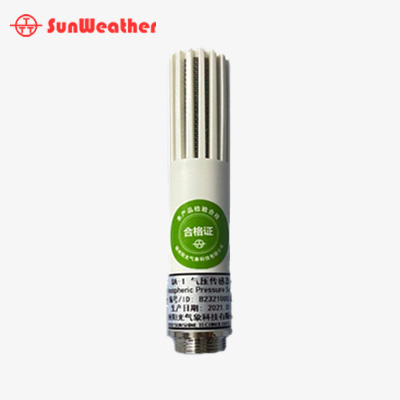
YG-WSD Temperature and Humidity Recorder · EC-A2 Ultrasonic Wind Speed & Direction Sensor · JZYG-JDZ Rain Gauge · QA-1 Barometric Pressure Sensor · Integrated Weather Station
02 Soil Sensors
Soil sensors play a vital role in precision agriculture, helping farmers monitor soil conditions accurately for better irrigation and fertilization management.
Sun Weather provides high-performance soil sensors that measure soil temperature, moisture, salinity, and pH value with high accuracy and fast response.
These sensors enable real-time observation of soil health, helping users understand water balance, nutrient distribution, and crop root conditions — supporting smarter and more sustainable farming decisions.
Typical sensors include:
TDR-3A Soil Temperature & Moisture Sensor · TDR-4 Soil Salinity (EC) Sensor · TDR-PH Soil pH Sensor · ZWSY-FD Multi-depth Soil Monitoring Probe · STYZ Miniature Ecological Factor Sensor
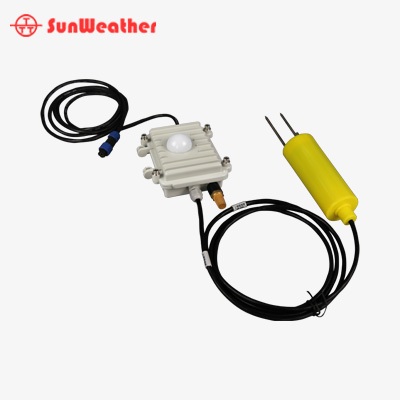
03 Light & Radiation Sensors
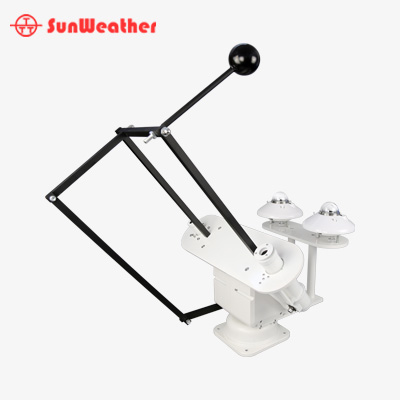
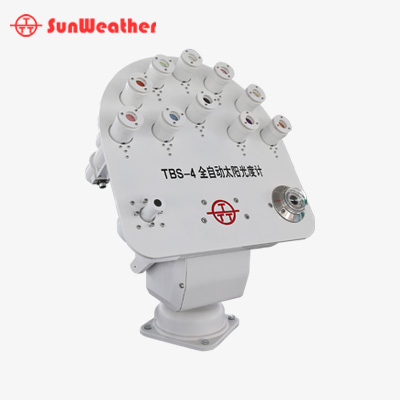
Light and radiation are key factors affecting plant photosynthesis and growth.
Sun Weather provides a series of high-precision sensors for measuring global solar radiation, photosynthetically active radiation (PAR), and light intensity.
These sensors help evaluate solar energy availability, optimize greenhouse shading or solar tracking systems, and support research on crop growth models and energy balance.
All instruments feature high accuracy, stable output, and excellent long-term reliability, making them ideal for field and greenhouse environments.
Typical sensors include:
TBQ-2 Pyranometer (Solar Radiation Sensor) · TBQ-5 PAR Sensor · TBB-2 Net Pyranometer · TBS-2A Sunshine Duration Sensor · UV Radiation Meter · TBQ-6 Light sensor
04 Gas & Environmental Sensors
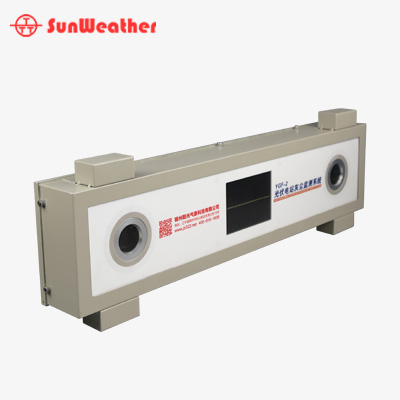
Gas and environmental sensors are essential for evaluating air quality and monitoring greenhouse conditions.
Sun Weather provides a complete range of sensors for detecting CO₂ concentration, air quality (VOC, O₃), and particulate matter (PM2.5 / PM10).
These sensors help analyze the balance of photosynthesis and respiration inside greenhouses, guide ventilation and CO₂ supplementation, and prevent harmful gas accumulation.
With high sensitivity, fast response, and strong stability, they are widely used in agricultural production, environmental protection, and research applications.
Typical sensors include:
ES-D CO₂ Sensor · Air Quality (VOC/O₃) Sensor · PM2.5/PM10 Sensor · Combined Environmental Gas Module
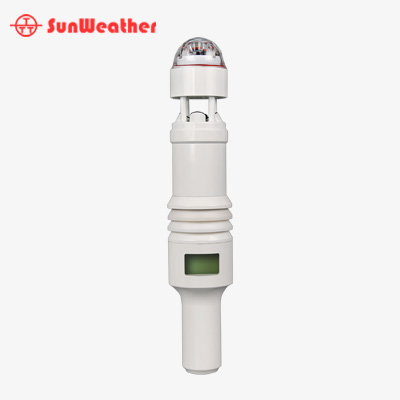
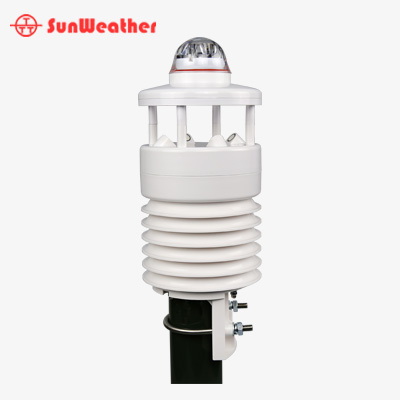
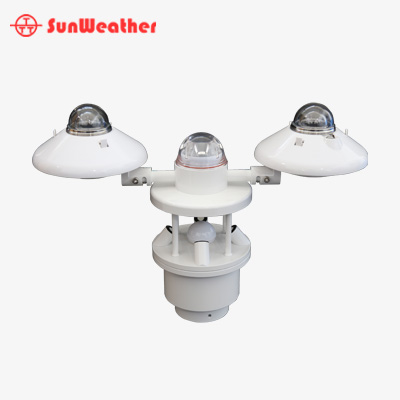
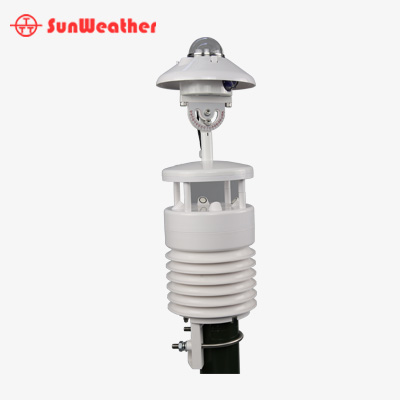
05 Integrated Weather Stations
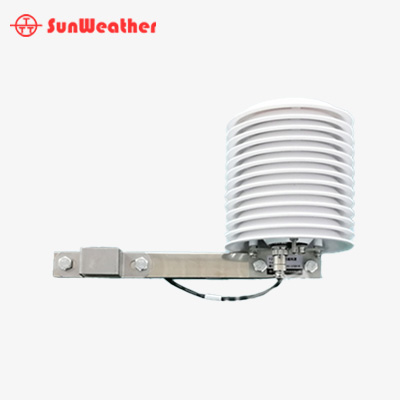
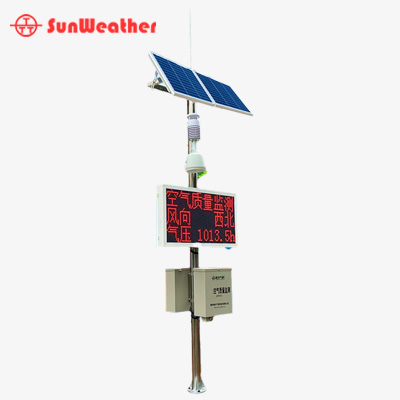
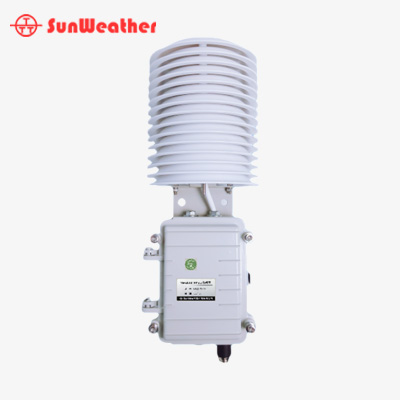
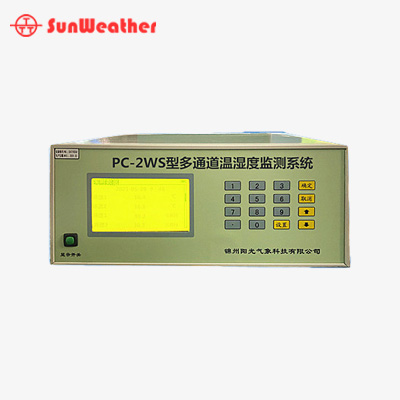
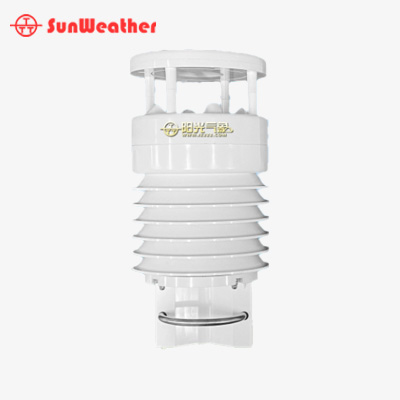
Integrated weather stations combine multiple high-precision sensors into a compact and intelligent monitoring system. They also support user-defined parameters, allowing flexible sensor configuration and expansion according to specific project requirements.
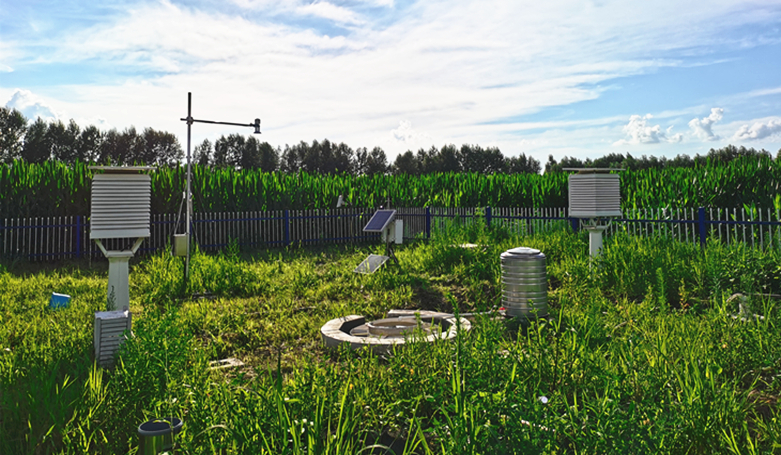
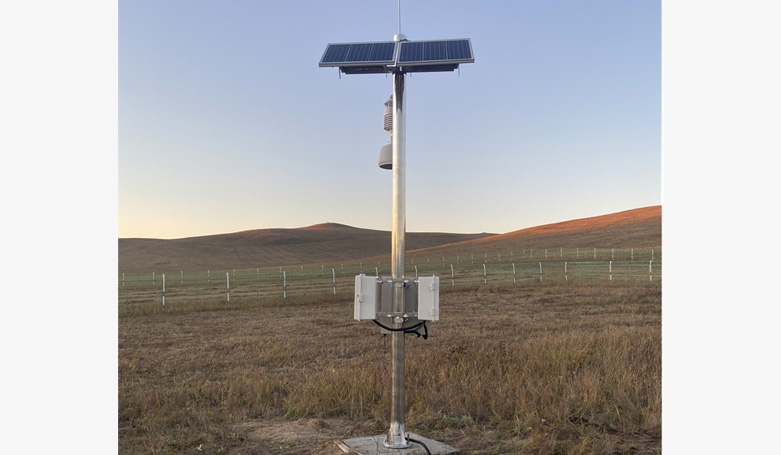
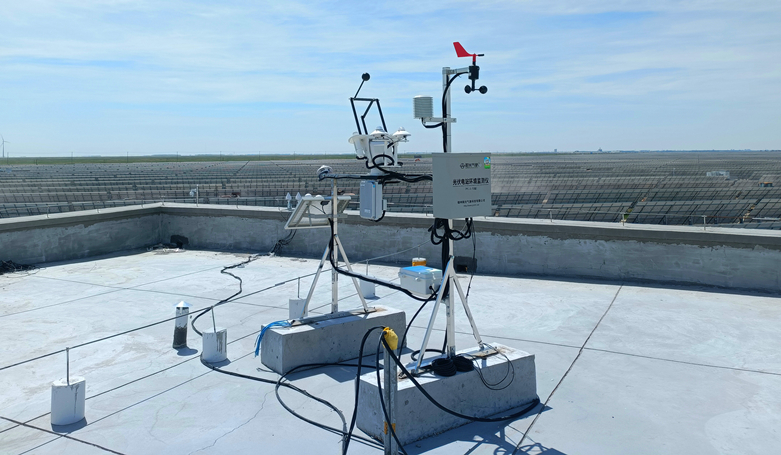
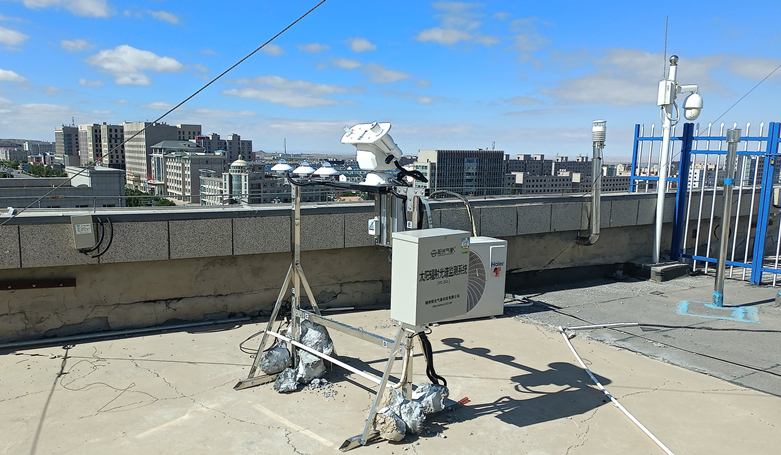
Sun Weather provides fully integrated automatic weather stations designed for farmlands, greenhouses, agricultural parks, and research applications.
Each station continuously measures key meteorological and environmental parameters — including temperature, humidity, wind speed and direction, rainfall, solar radiation, air pressure, and soil conditions — and transmits data in real time to the cloud for visualization, analysis, and intelligent control.
As the core component of Sun Weather’s Smart Agriculture Monitoring Solution, these stations deliver continuous environmental sensing, automatic data recording, and intelligent decision support, helping users achieve efficient, data-driven, and sustainable agricultural management.
LEAVE A MESSAGE
Just tell us your requirements, we can do more than you can imagine.
