
Hydrological Monitoring Solution
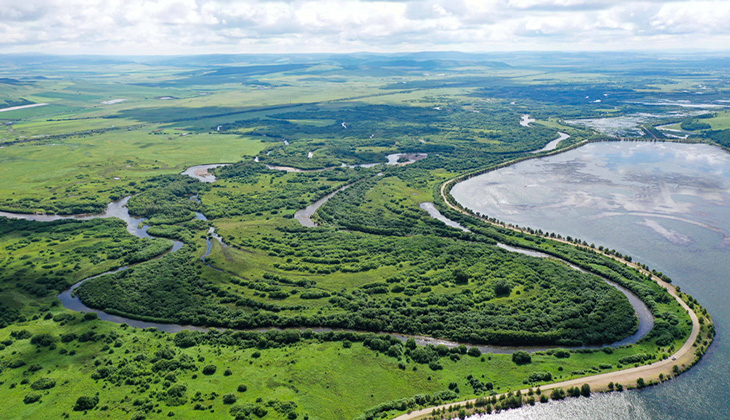
Smart Hydrology: Making Water Management Smarter
Smart hydrological monitoring systems use automated sensors and IoT connectivity to continuously measure water level, flow, rainfall, and quality parameters.
Compared with traditional manual measurement, smart systems provide real-time visibility, faster response, and early warnings for floods, droughts, and contamination events.
Advantages of Smart Hydrological Monitoring:
1️⃣ Continuous, real-time water observation
2️⃣ Early warning and risk prevention
3️⃣ Data-driven water resource management
4️⃣ Integrated and remote control capability
Smart Hydrological Solutions for Modern Water Management
Empowering Hydrology with Real-Time Observation
Accurate, real-time water information is the foundation of modern hydrological management.
Sun Weather’s hydrological monitoring system integrates multiple high-precision sensors, data loggers, and telemetry modules to continuously observe water level, flow velocity, rainfall, and water temperature across rivers, reservoirs, irrigation channels, and drainage networks.
Each monitoring node automatically records and transmits data to the cloud in real time, where users can visualize current water conditions, analyze temporal variations, and detect abnormal changes.These real-time insights form the basis for flood forecasting, drought mitigation, irrigation control, and ecological protection, allowing authorities to make timely, data-driven decisions.
The system’s modular design supports solar power, wireless communication, and remote diagnostics, ensuring stable operation even in harsh outdoor conditions.
By transforming traditional manual observation into automated, intelligent, and connected hydrological sensing, Sun Weather helps build safer, more resilient, and smarter water management systems.
Integrating Innovation into Water Management Practice
Sun Weather integrates IoT communication, big data, data visualization technologies into modern hydrological management.
Each monitoring site transmits high-frequency water level, flow, and rainfall data through secure wireless networks to a centralized cloud platform. On this platform, users can view real-time dashboards, analyze historical records, and receive automated alerts.
The system can operate independently as a standalone monitoring platform, or be integrated into existing industry information systems such as water resource management platforms, providing flexible deployment and scalability.
By connecting field sensors with digital management, Sun Weather turns traditional hydrology into a smart, predictive, and collaborative system—helping governments and industries plan resources more efficiently, reduce risks, and maintain long-term water security.
Core Sensor Technologies for Hydrological Monitoring
01 Water Level Sensors
Water level sensors are the foundation of hydrological observation, providing accurate and continuous measurement of surface and groundwater levels.
Sun Weather offers a complete range of radar, ultrasonic, and pressure-based level sensors for rivers, reservoirs, irrigation channels, and wells.
These sensors deliver real-time data for flood warning, irrigation scheduling, and water resource allocation, helping authorities respond quickly to changing conditions.
Typical sensors include: SR30 Ultrasonic Water Level Sensor · PS1 Pressure Water Level Sensor · RL30 Radar Water Level Sensor
02 Flow & Velocity Sensors
Flow and velocity sensors measure surface and channel flow using ultrasonic or electromagnetic principles.
Sun Weather provides durable and high-precision instruments that enable real-time measurement of discharge and current speed, supporting hydrodynamic analysis and flood forecasting.
Typical sensors include:
JZYG-LEBE Radar Flow Meter · JZYG-LJ20 Propeller-type Current Meter · JZYG-LB70-2 type rotary cup flow meter
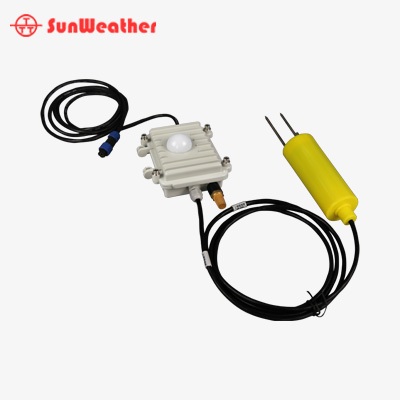
03 Rainfall Sensors
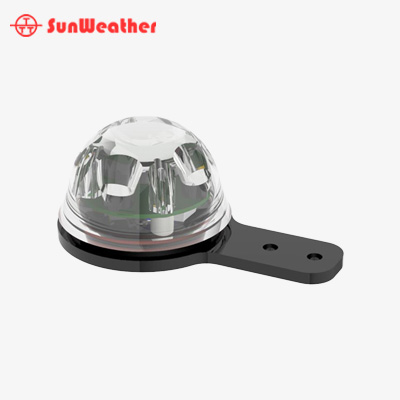
Rainfall sensors provide precise measurement of precipitation intensity and accumulation, forming a key component in flood forecasting, hydrological modeling, and irrigation management.
Sun Weather offers a comprehensive range of rainfall monitoring instruments — including tipping-bucket, optical, weighing, and heated rain–snow sensors — to meet diverse environmental and climatic requirements.
Typical sensors include:
JZYG-JDZ Tipping Bucket Rainfall Sensor · L301 Optical Rain Sensor · L5 Weighing Rain & Snow Sensor · L6 Heated Rain–Snow Gauge · YG-JY Artificial Rainfall Simulation System
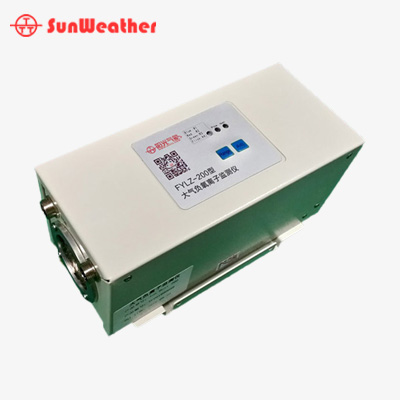
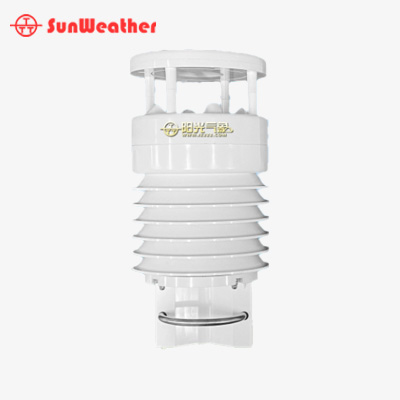
04 Water Quality Sensors
Water quality sensors continuously monitor key parameters such as pH, dissolved oxygen (DO), conductivity, turbidity, and temperature, offering valuable insight into environmental health.
Sun Weather designs multi-parameter sensors suitable for rivers, lakes, and industrial water applications, supporting pollution control and ecological assessment.
Typical sensors include:
YGHB-90 5 parameter Water Quality Sensor · YG-PH pH Electrode · YG-TR Suspended Matter Sensor · YG-EC Conductivity Sensor · YG-TUR Turbidity Sensor · YG-DODissolved Oxygen Probe
05 Integrated Hydrological Monitoring Stations
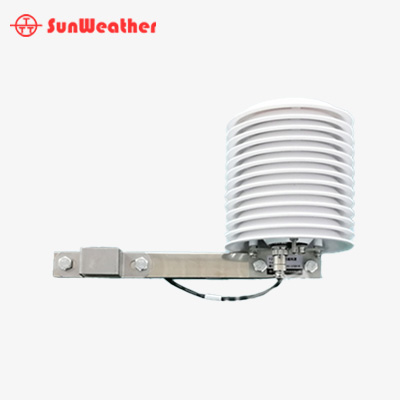
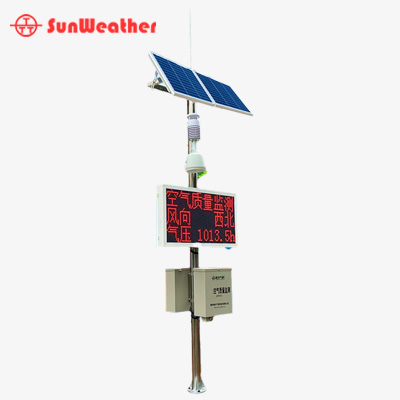
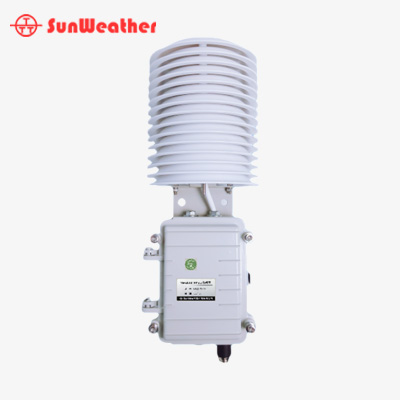
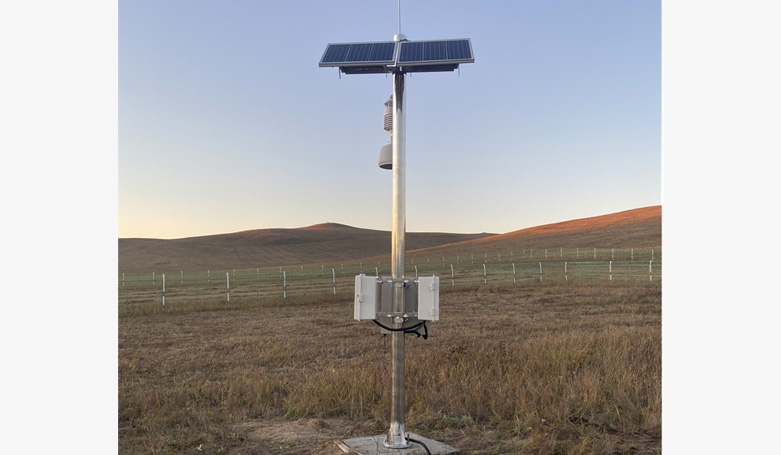
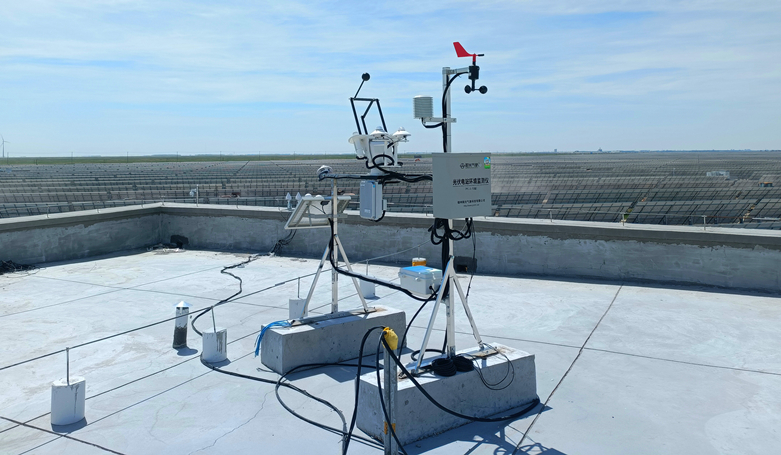
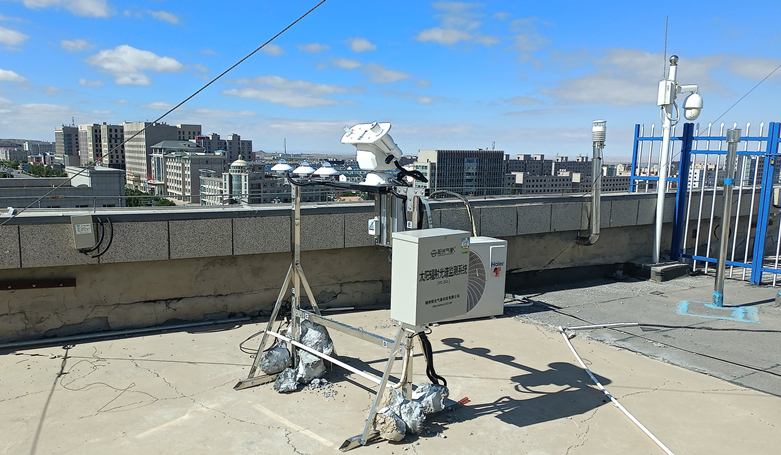
Integrated hydrological stations combine multiple sensors into a compact, automated system with data logging, telemetry, and solar power options.
Sun Weather offers modular stations for river basins, reservoirs, and irrigation zones, supporting real-time data collection, visualization, and early warning.
Typical configurations include:
TRM-SW Radar Water Level Monitoring Station · JZYG-LBX Flow Rate and Velocity Monitoring System · JZYG-GD50 Integrated Rain Gauge Station · PC-2YS Automatic Rainfall and Flood Monitoring System · YGHB-80 Miniature Automatic Water Quality Monitoring Station
LEAVE A MESSAGE
Just tell us your requirements, we can do more than you can imagine.
