
Monitoring Nature, Empowering Sustainable Forest Development
Recently, the ecological environment monitoring system constructed by SunWeatherTechnology for the management station of the Lingfeng National Nature Reserve in Heilongjiang has officially been put into operation. In order to obtain “first-hand data” and provide more accurate support for decision-making in the Lingfeng Nature Reserve, the ecological environment monitoring system integrates multi-element monitoring, intelligent transmission, and data analysis technologies, offering comprehensive data support for ecological protection, resource management, and sustainable development.
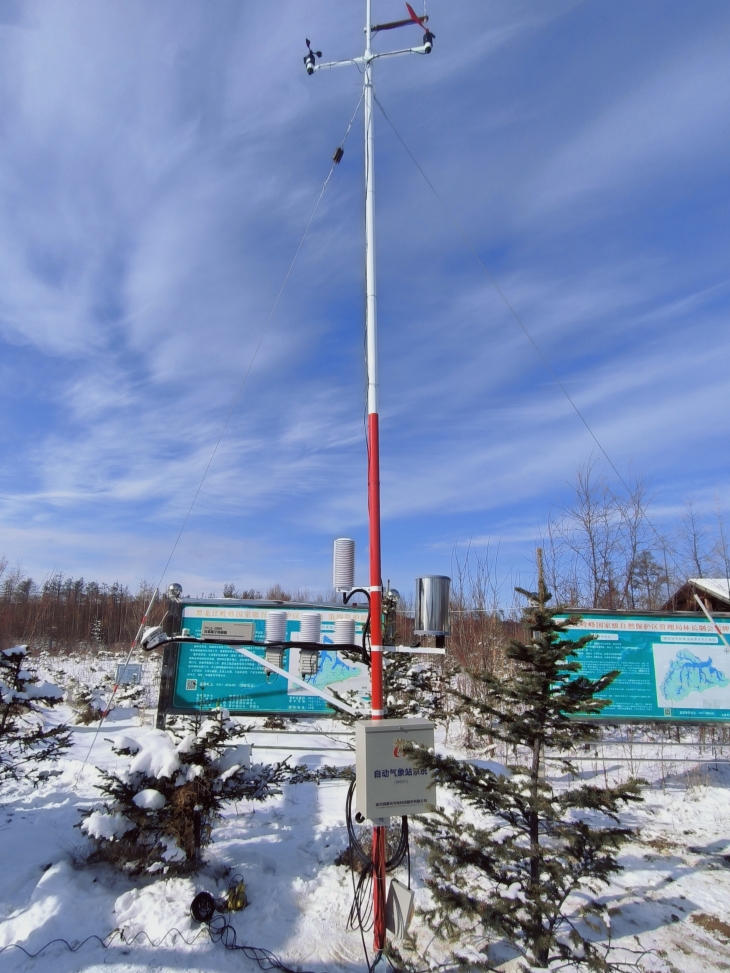
To ensure the comprehensiveness and accuracy of monitoring data, the smart forestry ecological environment monitoring system is equipped with a “high-precision, multi-dimensional” monitoring equipment framework. It not only includes meteorological and environmental monitoring devices such as air temperature, humidity and pressure sensors, wind speed and wind direction sensors, rainfall gauges, total solar radiation sensors, ultraviolet radiation sensors, negative oxygen ion sensors, and hydrological flow velocity and flow sensors, but also adds gas sensors for PM2.5, PM10, SO₂, NO₂, CO₂, O₃, etc. This enables comprehensive acquisition of core ecological data across the four major categories of “water, soil, air, and biosphere.”
The system provides forestry management departments with accurate and real-time data, helping them better understand the dynamic changes of forest resources. Through an early warning system, it can promptly detect threats such as forest fires and pest infestations, enabling timely preventive and control measures. It also provides a scientific basis for ecological protection and restoration efforts, thereby enhancing both the economic and social benefits of forestry management.
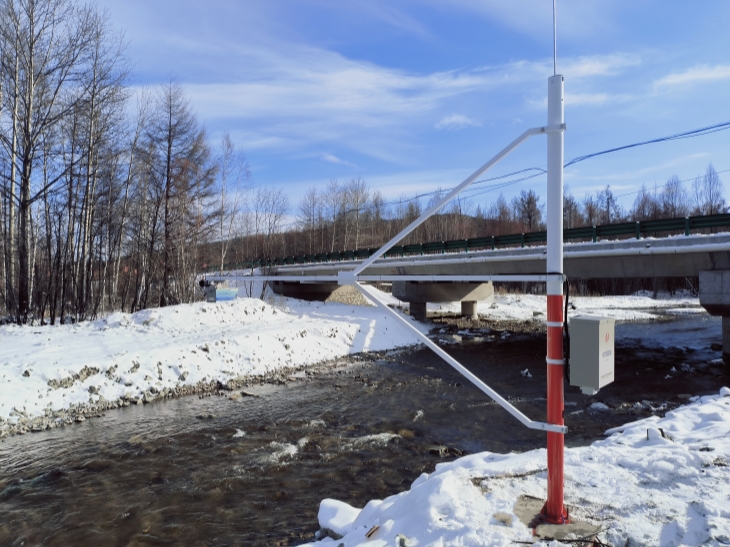
① The system takes the forest environment online monitoring system as its core, and through various configured environmental sensors, it conducts real-time monitoring of environmental elements such as soil, air, and water, as well as dynamic information on forest resources.
② Using wireless communication technology, the system transmits the collected data to the data center via a 4G network, ensuring the stability and reliability of data transmission.
③ It integrates multi-source data collected from various sensors to achieve centralized data management, providing data support for subsequent analysis and application.
④ By utilizing visualization dashboards and other technologies, combined with a full-color LED large screen, the system displays real-time values of various environmental parameters on site. Meanwhile, on-site meteorological data are transmitted to the cloud platform, allowing users at different levels to access platform data through multiple channels such as PC terminals and mobile apps, enabling remote system management. This allows managers to conveniently monitor and understand forest resource conditions in real time, assess risk levels based on various observational data, and provide scientific support for decision-making.
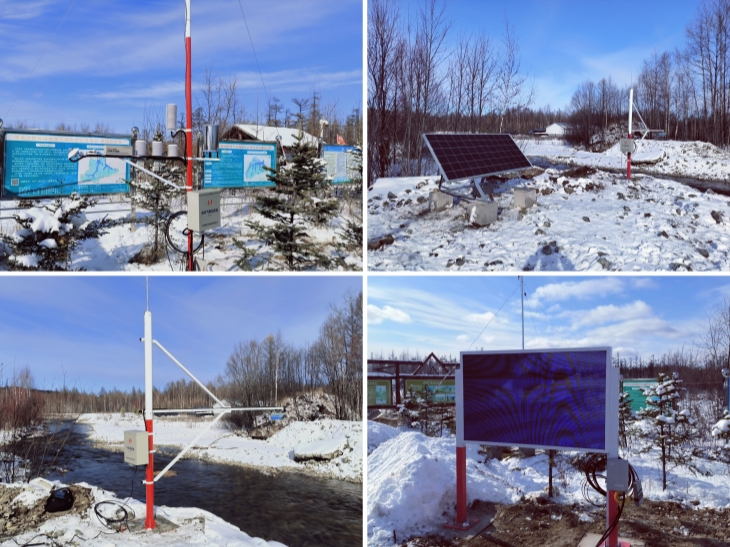
The smart forestry monitoring system plays a crucial role in ecological environment development. Through comprehensive monitoring of forest ecosystems, it can provide timely early warnings and help prevent and control natural disasters, thereby maintaining the stability and sustainable development of forests.
In addition, it plays an active role in enhancing ecological functions such as forest water conservation, soil and water retention, and climate regulation, helping to improve regional ecological environmental quality and providing data support for green development models such as eco-tourism.
